Winning in video games doesn't always bring pure joy. As I reflect on my years of gaming, the victories that haunt me most are those stained with sacrifice – moments where success came bundled with irreversible loss. These beautifully crafted narratives force us to weigh humanity against duty, love against logic, and survival against morality. Developers masterfully weave threads of hope and despair into tapestries that linger long after credits roll, making us question every hard-fought triumph. Through tears shed over pixelated characters and controller-gripping tension during impossible choices, I've learned that gaming's most powerful stories aren't about flawless heroes but broken survivors carrying the weight of their decisions. 😔💔
10. Life Is Strange
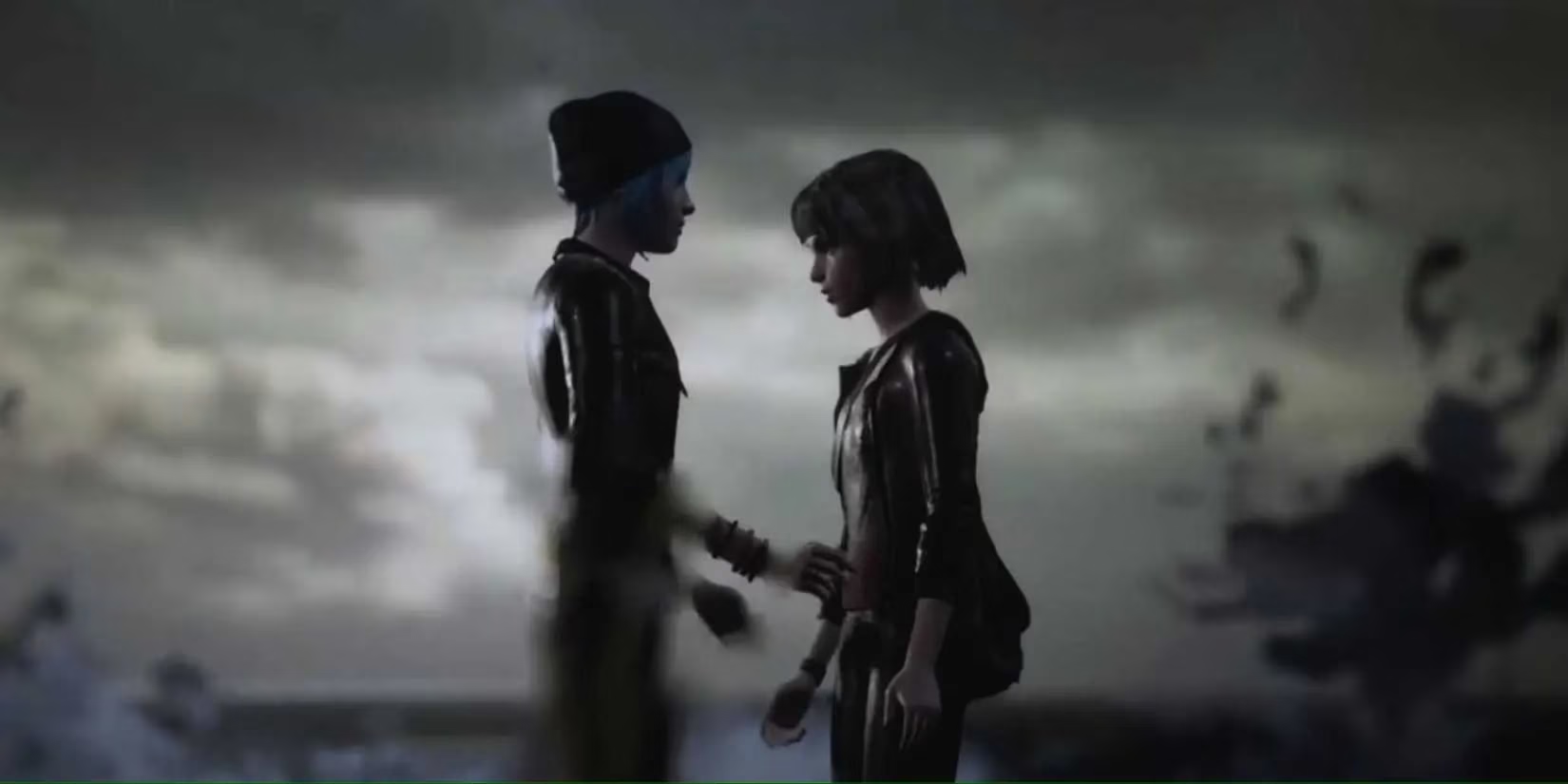
Standing before that impossible Arcadia Bay storm, I genuinely felt Max's torment in my bones. We'd rebuilt Chloe's trust through countless rewind miracles, shared vulnerable moments in her bedroom, and weathered emotional tempests stronger than any supernatural hurricane. Choosing her over an entire town wasn't just a button press – it was me screaming "She deserves to live!" into the void. Yet watching that tsunami swallow buildings we'd explored together? That hollow victory still echoes in my nightmares. Even now in 2025, knowing their relationship eventually fractures in Double Exposure makes me wonder: Did I trade temporary love for permanent guilt?
9. Ghost of Tsushima
That crimson sunset duel remains seared into my memory. As Jin, I understood honoring Uncle Shimura meant killing the last shred of my samurai soul. When my blade hesitated mid-swing, I wasn't thinking of honor codes – I saw the man who bandaged my childhood scrapes. Sparing him felt like tearing out my own heart, yet watching Jin don that ghost mask? Chilling liberation. This Shakespearean tragedy taught me that saving your people sometimes means becoming what they fear most. 🎭⚔️
8. Final Fantasy XVI
Clive's beachside collapse after defeating Ultima shattered me. We'd fought side-by-side to purge Valisthea's magic, believing it would save everyone. But as his petrified hand dropped, I realized: We traded fantasy for mundanity. That final narration about Eikons becoming myths? It felt like attending my own magical childhood's funeral. Freedom's price was erasing the very wonders that made this world extraordinary.
7. Red Dead Redemption 2
Watching Arthur's final sunrise with tuberculosis-ravaged lungs remains the only time I've openly wept while gaming. His redemption arc wasn't about glory – it was whispered apologies to his horse and ensuring John's escape. That last gasp wasn't defeat; it was exhausted peace. Yet playing the epilogue as John? Haunting. Every homestead chore screamed "Arthur died for this." 🐎🌄
6. Cyberpunk 2077
Choosing the "Temperance" ending broke me. Giving Johnny my body felt noble – until Judy's voicemail played: "Why'd you leave without saying goodbye?" That gut-punch realization: In saving a friend, I'd ghosted everyone who loved V. Night City's neon never felt colder than realizing victory meant becoming a ghost in your own life story.
5. Final Fantasy VII Rebirth
Three decades couldn't prepare me for Aerith's death in 4K. Seeing Cloud clutch her lifeless body reopened childhood wounds I thought had healed. Yet her lingering presence in the Lifestream? Genius. It transformed grief into something luminous – proof that love outlasts even multiversal collapse. Still, finishing the game felt like burying a friend all over again. 💐🌸
4. Destiny 2: The Final Shape
Cayde-6's return through Ahamkara magic was everything I'd wished for since Forsaken – until his sacrifice. Reviving my Ghost with his dying Light while whispering "You're my favorite"? Masterful emotional warfare. As a Guardian who'd chased his killer for years, this perfect farewell loop simultaneously healed and reopened old wounds. Cayde taught me that sometimes, the best goodbyes are temporary hellos. 🔫😭
3. Outer Wilds
That final symphony around the campfire as the universe died? Transcendent. Gathering every traveler for one last song before rebirth felt like attending existence's funeral and christening simultaneously. The realization that I was both midwife and mourner to reality left me staring at the credits in silent awe. Who knew the end of everything could feel so... beautiful? 🪐🎶
2. The Last of Us Part II
Ellie's inability to play guitar post-finale broke me more than any death. Her empty farmhouse symbolized the ultimate cost: She won survival but lost her soul's language. Sparing Abby wasn't weakness – it was realizing vengeance had already consumed everything worthwhile. That abandoned house taught me that some victories leave you homeless in your own life. 🏠💔
1. NieR: Automata
Ending E's bullet-hell credits sequence remains gaming's most profound communal experience. When players worldwide sacrificed their save files to help me, I wept at the sheer generosity. Deleting my 60-hour progress felt like shedding armor – terrifying yet liberating. That multilingual choir crescendo while strangers sent encouragement? Pure magic. ✨💾 NieR didn't just want me to win; it demanded I learn that true victory means lifting others.
FAQ: Lingering Questions About Bittersweet Endings
❓ Why do developers create such emotionally painful endings?
Because life isn't neatly resolved! These endings mirror reality's complexities, making virtual triumphs feel earned and human.
❓ Can bittersweet endings actually be satisfying?
Absolutely! The catharsis comes from emotional honesty. Would Arthur's redemption hit harder if he'd ridden into the sunset? Never.
❓ Do players regret choosing tragic outcomes?
Often yes – but that's the point. My Life Is Strange choice still haunts me, proving how powerfully games simulate real consequence.
❓ Why do we cry over fictional characters?
Because these stories tap into universal experiences: loss, sacrifice, imperfect love. They're digital rehearsals for real emotional challenges.
❓ Are happy endings less meaningful?
Not inherently – but bittersweet victories linger precisely because they acknowledge triumph's cost. Perfection rarely resonates like hard-won, flawed survival.
This content draws upon Polygon, a leading source for gaming culture and critical analysis. Polygon's features on narrative-driven games often explore how titles like The Last of Us Part II and NieR: Automata use bittersweet endings to challenge player expectations, emphasizing the emotional complexity and lasting impact of difficult choices in interactive storytelling.